

Open circuit capacitors do not always look failed. A capacitor can pass visual inspection, show no short, and still stop storing charge where the circuit needs it. For PCB engineers, open capacitor testing should separate true internal opens from solder, pad, and thermal intermittent faults before the BOM is blamed.
In aluminum electrolytics, electrolyte depletion reduces wet contact area and ionic conductivity. As aluminum electrolytic aging progresses, equivalent series resistance (ESR) rises, ripple heating accelerates, and the part can behave like a near-open component under load even before capacitance disappears on a bench meter.
A surface-mount ceramics fracture usually starts mechanically. PCB flexure, depanelization stress, connector insertion, screw torque, or MLCC thermal shock can crack the ceramic stack. If the crack causes internal electrode separation, the measured path becomes intermittent or fully open.
Not every open reading is inside the capacitor. Lifted PCB pads, a cold solder joint, a tombstoning defect, or cracked solder fillets can isolate a healthy part. Treat these as false opens until magnification, continuity, and mechanical probing prove otherwise.
Film capacitor lead fatigue appears when vibration or repeated handling bends the terminal until the lead, weld, or solder interface loses continuity. Power Capacitor DC Link Capacitor MKP-LS is a DC-Filter Capacitor Dry-Type product. Its construction uses metallized polypropylene film, plastic-shell or Mylar-tape housing, and resin filling rated UL94 V-0. In practice, a solid filler approach reduces internal movement, but PCB support, strain relief, and enclosure vibration limits still decide the final stress. Published features include low self-inductance, low equivalent series resistance, heat dissipation, tinned-copper terminals, and current-impact capability.
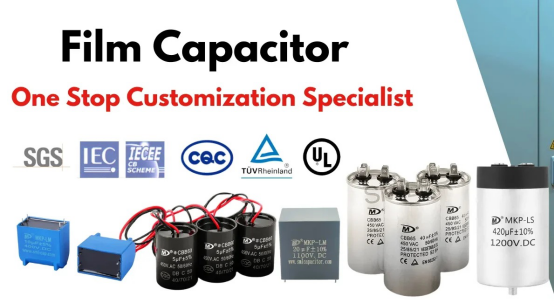
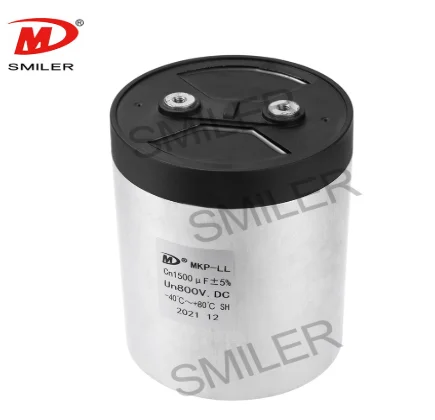
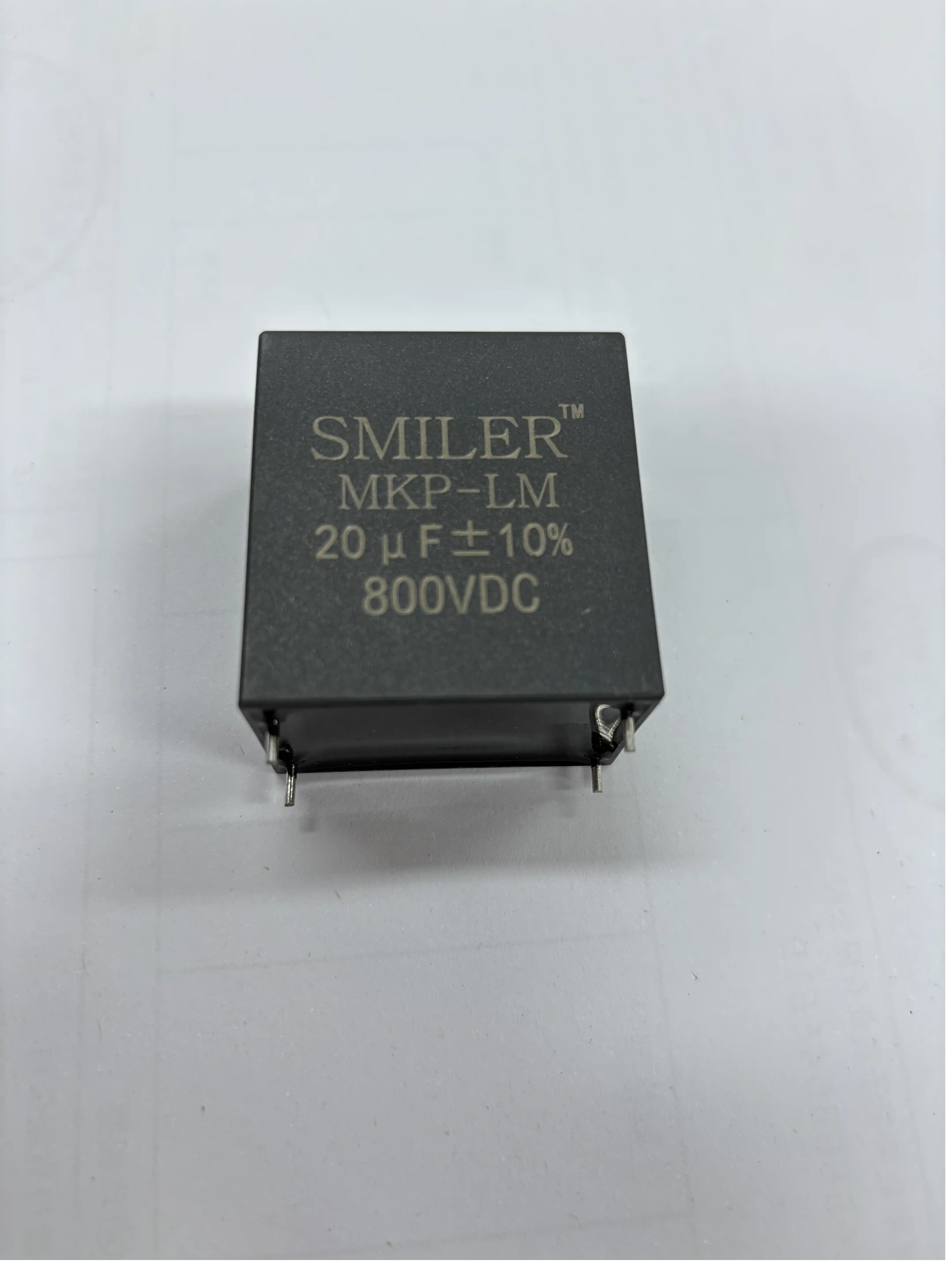
Bulk filter failure often shows up as output ripple escalation, control-loop hunting, hot downstream regulators, or audible noise. SMILER capacitor DC-Link Capacitor products are used in DC-Link circuits and can replace electrolytic capacitor in suitable designs. The DC-Link product family uses metallized polypropylene film. Feature claims include low ESR, high ripple current handling capability, low self-inductance, self-healing property, and long lifetime. For higher-power filters, the Power Capacitor DC Link Capacitor MKP-LM covers different PCB and cabinet needs. Power Capacitor DC Link Capacitor MKP-LL is a dry-type aluminum-case DC link capacitor. It is used for DC filtering and smoothing in DC-Link circuits, renewable energies, industrial drives, and traction applications. Product facts include replacement of electrolytic capacitor in suitable designs, low ESR, high ripple current handling capability, low self-inductance, self-healing property, and long lifetime.
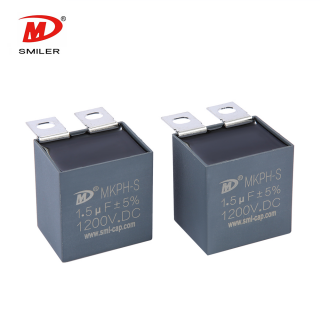
When a snubber opens, uncontrolled switching spikes can exceed semiconductor margins before firmware sees a fault. MKPH-LS is a Power Capacitor Snubber Capacitor used for IGBT buffer circuits, IGBT surge absorption, and high-frequency resonant circuits. Its construction uses metallized polypropylene film, plastic-shell or Mylar-tape housing, resin filling rated UL94 V-0, and tinned-copper terminals.
In single-phase AC loads, an open AC motor start capacitor can cause starting failures, humming, overheating, or a stalled fan. CBB61 uses metallized polypropylene film, a flame-retardant plastic shell, and resin filling. It is specified for starting and running single-phase motors powered by 50/60 Hz AC, including fans, ventilators, air purifiers, and other AC motors. CBB60 is also listed for starting and running single-phase 50/60 Hz motors.
An EMI filter open may not stop the product, but it can create EMC compliance failure. A failed X2 Capacitor in a line filter or resistance capacitance step-down network can raise conducted noise and reduce surge tolerance. Verify the safety class before substitution. The DC-Link Capacitor product family is the product grouping that frames the higher-power film options discussed above.
Out-of-circuit testing is the cleanest validation. Remove one terminal or desolder the part, discharge it, then use LCR meter measurement at a defined frequency. Compare measured value, dissipation, and tolerance against nominal capacitance.
An in-circuit ESR meter, often at 100 kHz, can flag dried electrolytics when nearby semiconductors do not dominate the reading. Oscilloscope probing at IC rails can expose missing high-frequency bypass behavior: sharp dips, ringing, or noise bursts under switching load.
The substitution method is useful during debug, not qualification. Temporarily parallel a known-good capacitor with correct voltage and polarity to see whether operation recovers. This parallel capacitor testing gives rapid circuit-level validation, then formal measurement should confirm the failed location.
An intermittent open capacitor often appears only after temperature movement. Use thermal stress cycling with freeze spray diagnostics or controlled hot air while watching impedance, ripple, or reset behavior. Avoid overheating plastics, electrolytes, and nearby connectors.
Do visual solder joint inspection before declaring the component failed. Look for crescent cracks, pad lift, board discoloration, flux residue hiding a fracture, and PCB flexure damage near heavy connectors. Good root cause analysis preserves the board history, not just the bad part.
A production electrical test that only checks static DC voltage can miss an open capacitor. Add supply ripple measurement under switching load transients. Record ripple amplitude, settling time, and rail droop so production catches weak bulk and bypass capacitors before shipment.
Self-healing property is one reason film capacitors are used in demanding power designs. Power Capacitor DC Link Capacitor MKP-LL is used for DC filtering and smoothing in DC-Link circuits, renewable energies, industrial drives, and traction applications. Product facts include low ESR, high ripple current handling capability, low self-inductance, self-healing property, and long lifetime. These are useful traits for reliable PCB design, but they still require correct derating.
Mechanical stress mitigation starts with footprint, terminal style, height, mass, and mounting direction. SMILER capacitor has over 15 years of expertise in film capacitors. The company supports customization with low MOQ and automated production lines designed for efficiency, precision, consistency, and quality control. At SMILER capacitor, we treat selection as a stress-profile problem, not a catalog match. For OEM/ODM services, customized capacitor sizes should match PCB keep-outs, enclosure clearance, creepage, and vibration constraints. Selection remains conditional on the real design stress profile: capacitance, voltage, RMS ripple current, thermal rise, mechanical mounting, safety margin, and lifetime must be checked before locking the BOM.
Combine an in-circuit ESR meter, oscilloscope probing, and the substitution method. ESR finds many dried electrolytics, the scope shows whether ripple or rail noise improves under load, and a temporary parallel capacitor confirms whether the circuit symptom follows capacitance.
Yes. A multimeter uses low stress and may miss intermittent cracks, cold solder joints, or ESR that rises when hot. Load, vibration, and temperature can make the same part behave open in the real circuit.
Expect random resets, brownout flags, ADC noise, communication-bus errors, EMI failures, and faults that look like software bugs. Probe the supply pin locally instead of only checking the regulator output.
Shorts are usually detected faster because they stop power rails. Opens from board flexure or cracked terminations can be underestimated because the product may run intermittently and fail only under stress.
High ESR leaves some charge storage but adds loss and ripple heating. A complete open shows near-infinite impedance across useful frequencies and no meaningful charge recovery. Compare LCR capacitance, ESR, waveform response, and out-of-circuit continuity.
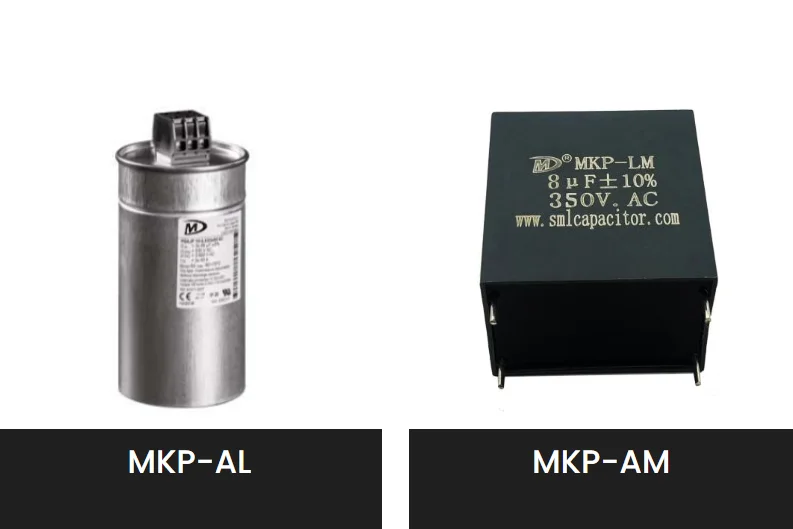
Understanding Capacitor Filter Circuit: Frequency and Value Relationship
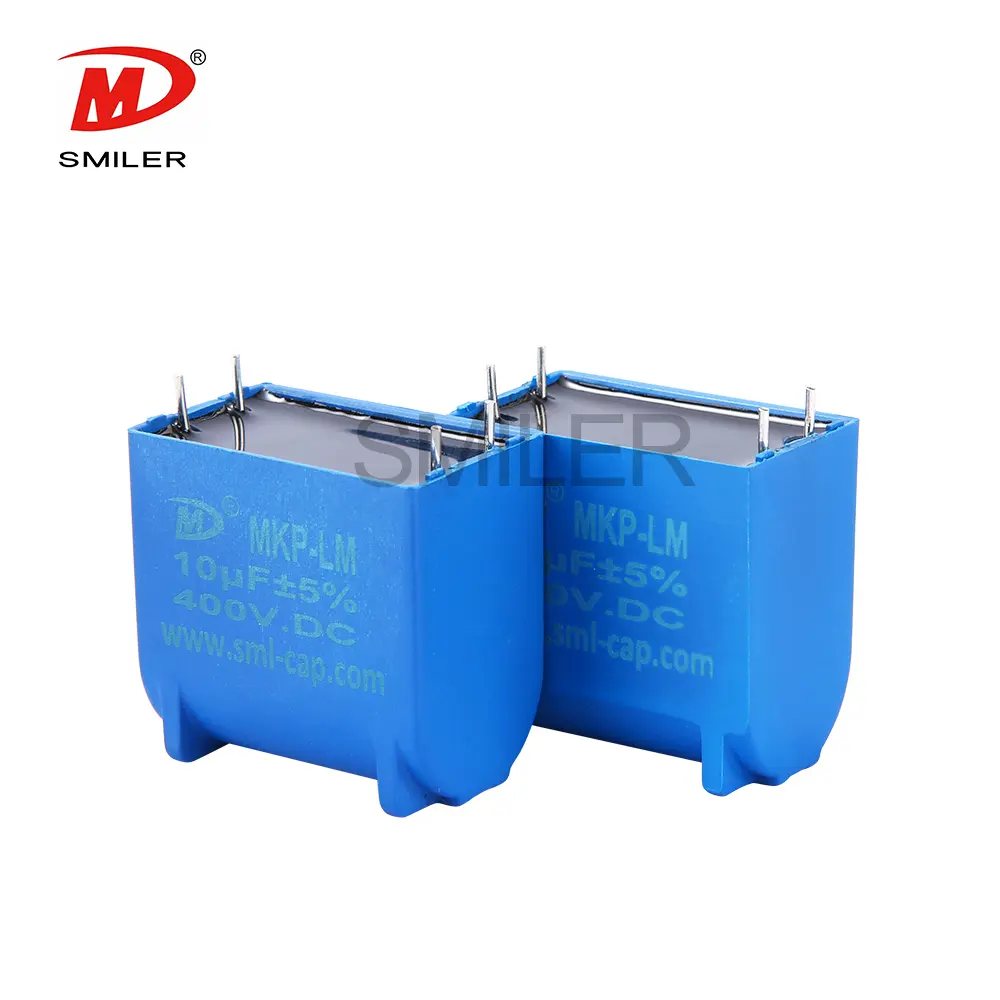
Choosing the Right Filter Capacitor for Induction Cooker: An In-Depth Guide
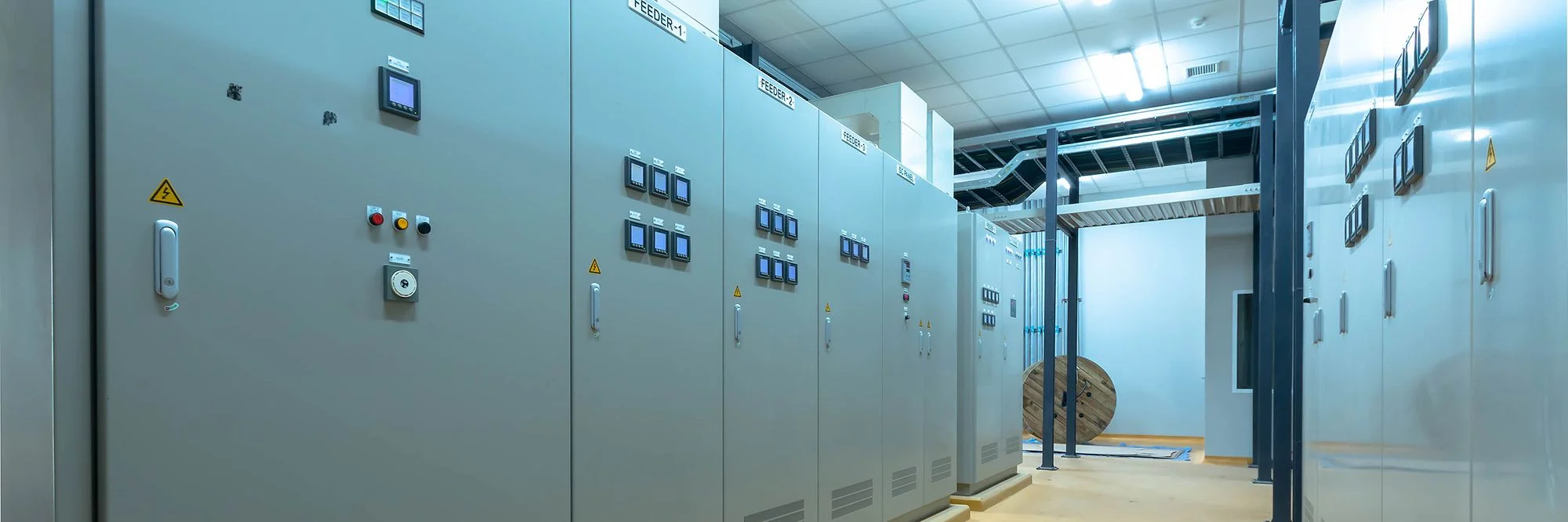
Capacitor Voltage Regulator: Unveiling Hidden Drawbacks
In-Depth Analysis of Capacitor in DC Circuit Applications
Key Applications of Energy Storage Inverters in Industrial Operations


 Add
Building 12,Huazhi Technology Innovation Center,28 Sanle East Road,Beijiao,Foshan,Guangdong,China
Add
Building 12,Huazhi Technology Innovation Center,28 Sanle East Road,Beijiao,Foshan,Guangdong,China
 Phone
+86 18007576965 / 0757-22391591
Phone
+86 18007576965 / 0757-22391591
 Email
ari@sml-cap.cn
Email
ari@sml-cap.cn



